
Web development
A renewed digital home for the
Iraq Foundation
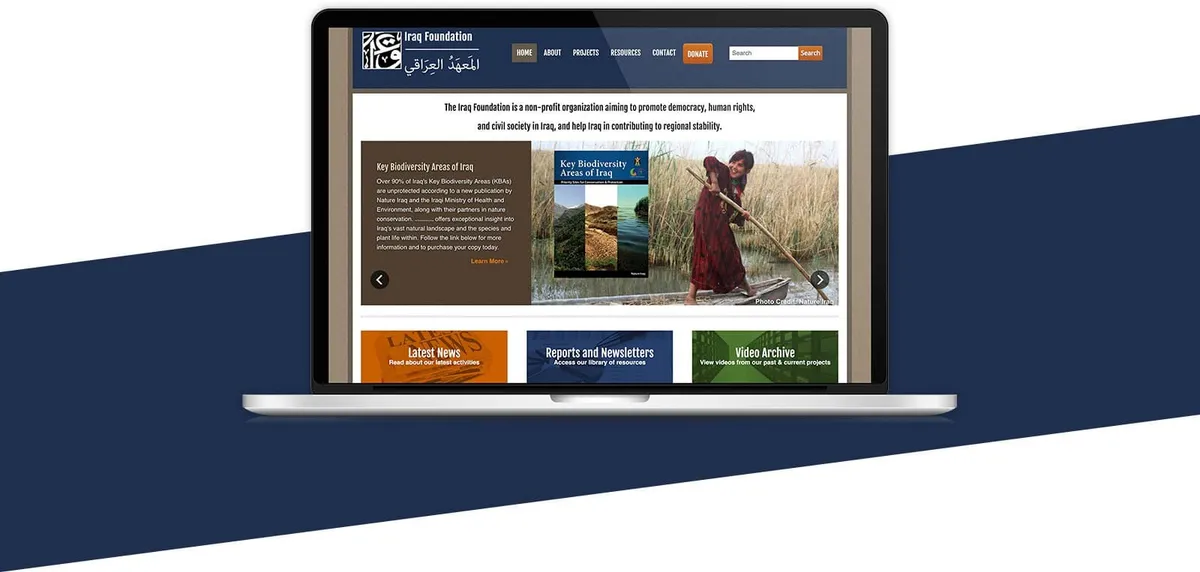
The client
The Iraq Foundation is a nonprofit, nonpartisan organization founded in 1991 by Iraqi expatriates to promote democracy and human rights and to support the recovery of Iraq, its people, and its civic institutions. Swapps redesigned and rebuilt its website in 2018.
- Runs women's empowerment and political-participation programs.
- Monitors elections and advocates for human-rights and democratic reform.
- Documents and shares its work with supporters worldwide.
The challenge
- Modernize an outdated website into a clear, credible digital home.
- Present programs, news, and project documentation in an organized way.
- Make it easy for supporters to engage, donate, and subscribe.
The solution
- A redesigned, responsive website.
- Sections for programs, news/articles, and project galleries.
- Organizational pages (history, mission, board, staff).
- Contact forms, donations, and newsletter subscription.
Tech We Used
Results
Swapps delivered a modern, responsive website that gives the Iraq Foundation a credible digital presence to showcase its programs, document its impact, and engage supporters.
Modern, responsive redesign
Organized programs & news
Donations & newsletter enabled
Project
Ready to Build Your Success Story?
Let's discuss how we can help transform your business with our proven expertise and innovative solutions.
More of our work
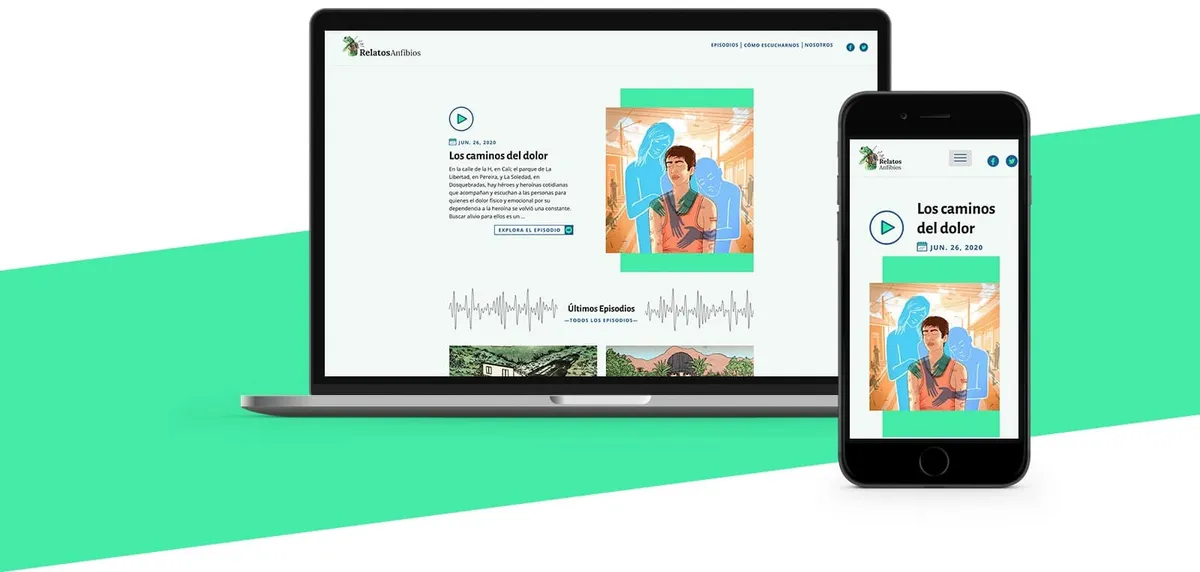
Podcast Microsite
Built a React microsite for Relatos Anfibios, Dejusticia's human-rights narrative podcast, giving the show a dedicated home to showcase seasons and episodes.
View case study
Youth Development Platform
Built a comprehensive youth development platform for 4H programs, enabling program management, volunteer coordination, and impact tracking.
View case study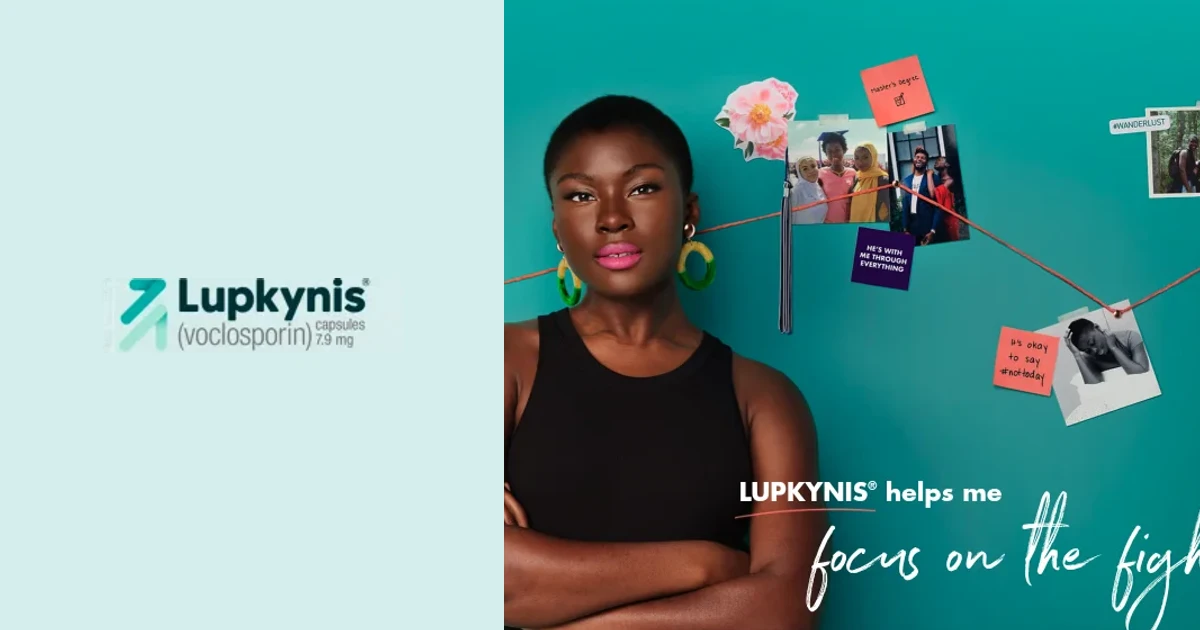
Healthcare Digital Experience Optimization
Optimized an Interactive Visual Aid (iCVA) for iPad presentations and migrated two static healthcare websites to WordPress CMS with CRM integration, analytics, and GDPR-compliant consent management.
View case study